In 2015, UNIQLO did something that seemed, on the surface, unexpected. The Japanese casual wear giant, known for minimalist basics and technical fabrics, launched a line of hijabs and modest clothing. The collection, designed in collaboration with British Japanese Muslim designer Hana Tajima, would become one of the most significant examples of a global brand engaging Muslim consumers with cultural intelligence, not just commercial opportunism.
What made UNIQLO's approach different from brands that simply overlay crescent moons on existing products? The answer lies in the brand's philosophy, LifeWear, and its commitment to designing for a community rather than at them.
The partnership: Hana Tajima's insider perspective
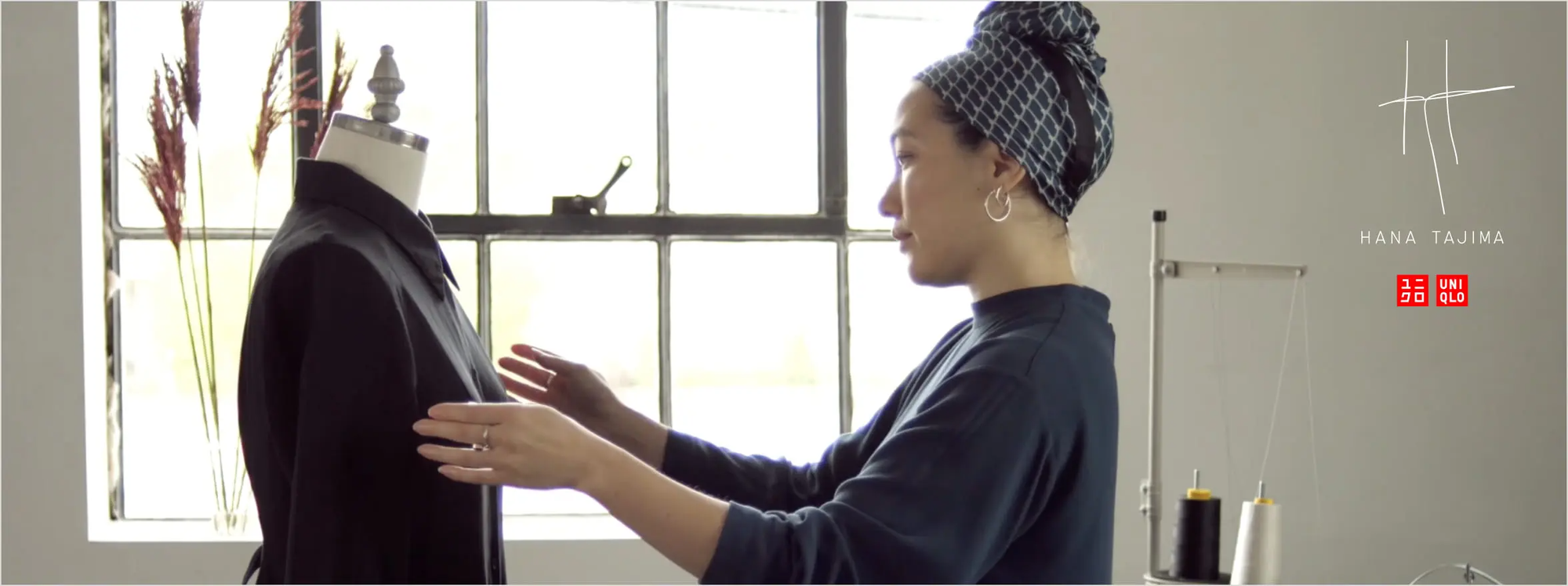
UNIQLO's modest wear collection is not the product of a marketing committee. It is the result of a sustained collaboration with Hana Tajima, a British Japanese visual artist, blogger, model, and fashion designer who converted to Islam at age 17 and adopted the hijab.
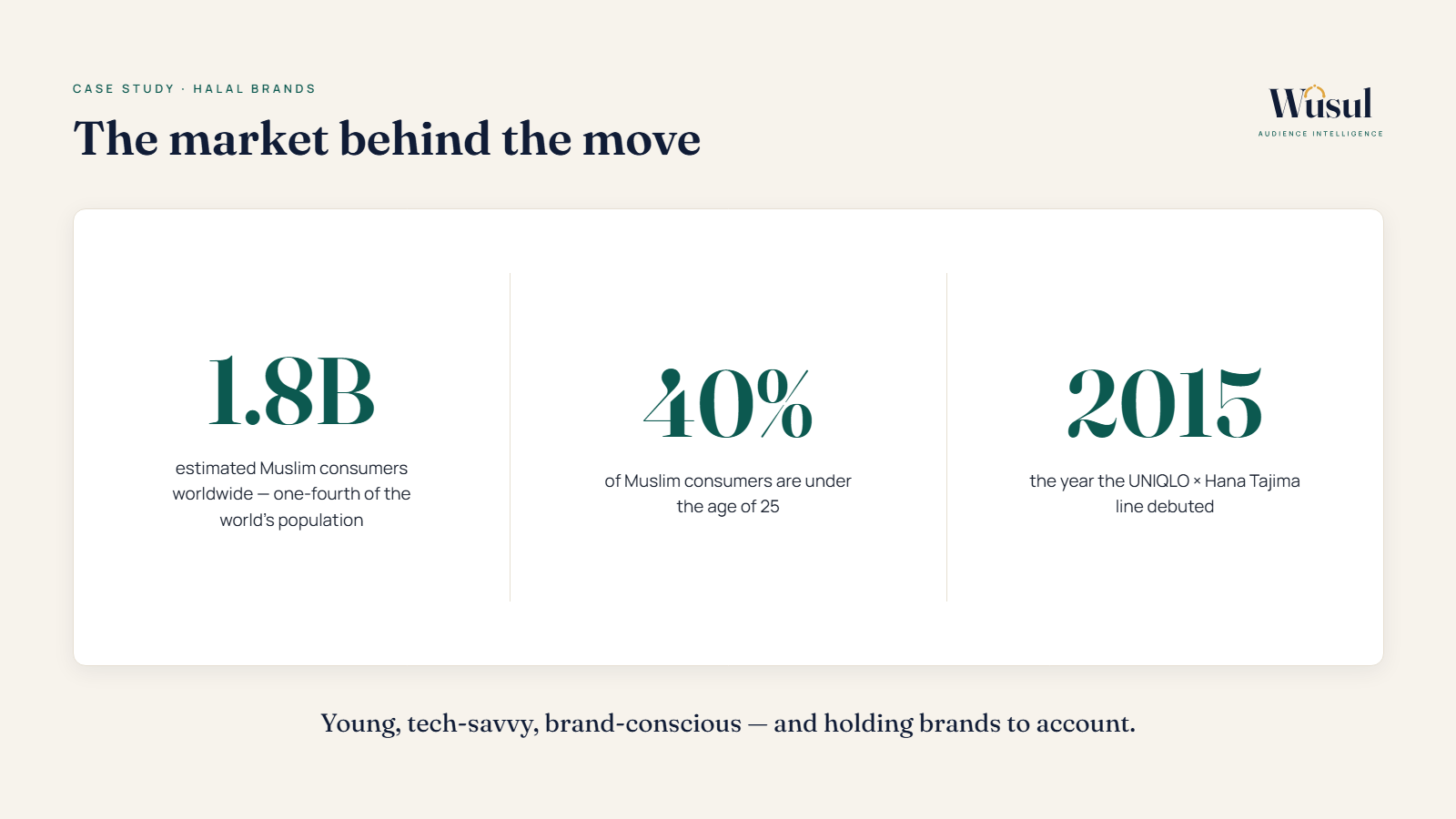
Tajima began selling clothing online in 2010 and was already known for her modest designs when UNIQLO approached her. The line debuted in 2015 in Malaysia, Singapore, and Indonesia, and arrived in the United States and the United Kingdom in February 2016.
Tajima's insider perspective was essential to the collection's authenticity. She has described the collection as a "movement" Crossing from one culture to another, one idea of beauty to another, to find what it is that connects us" . She oversaw the design of every piece, ensuring it would appeal not only to modern ladies who prefer modest fashion but also to "an international audience who desire clothes that fit comfortably and look contemporary."
Beyond the UNIQLO hijab
The UNIQLO X Hana Tajima collection was never just a hijab line. It was a full modest wear collection designed for "effortless mix and match." The collection featured pants, skirts, rayon blouses, and long dresses with a comfortable, relaxed fit, alongside a selection of hijab headscarves and patented AIRism inner hijab headscarves and headbands.
The collection's design language is significant. Tajima fused modern and contemporary design with the traditional values of each garment. She created pieces that are "both culturally sensitive and extremely comfortable." The use of UNIQLO's AIRism technology; a highly breathable and quick-drying fabric, addressed a practical need for Muslim women. The collection also includes inner tops with and without sleeves; a direct response to customer feedback.
“Although Uniqlo X Hana Tajima caters to ladies who embrace modest fashion, this collection has been carefully designed to suit contemporary tastes and is versatile to complement a fashionista’s wardrobe easily,” the company clarified in a statement. (Inside Retail)
Why UNIQLO's move matters
UNIQLO's entry into modest wear is part of a broader shift in the global fashion industry. The Muslim consumer market comprises an estimated 1.8 billion people (one-fourth of the world's population) and 40% are under the age of 25. These young, tech-savvy, "futurist" Muslims are brand-conscious, loyal, and hold brands to account. They are the new Muslim consumers, described as "tech-savvy, self-empowered individuals who are fully engaged with the world."
The modest fashion movement, sometimes called "hijabster" fashion, is not about conservative clothing for a small niche. It is part of a broader move toward inclusivity and diversity in fashion. According to Harriet Robertson of Flamingo Group, "The sustainable future is great products and branding that have the ability to speak to both mainstream and Muslim consumers."
Cultural intelligence analysis: what UNIQLO got right
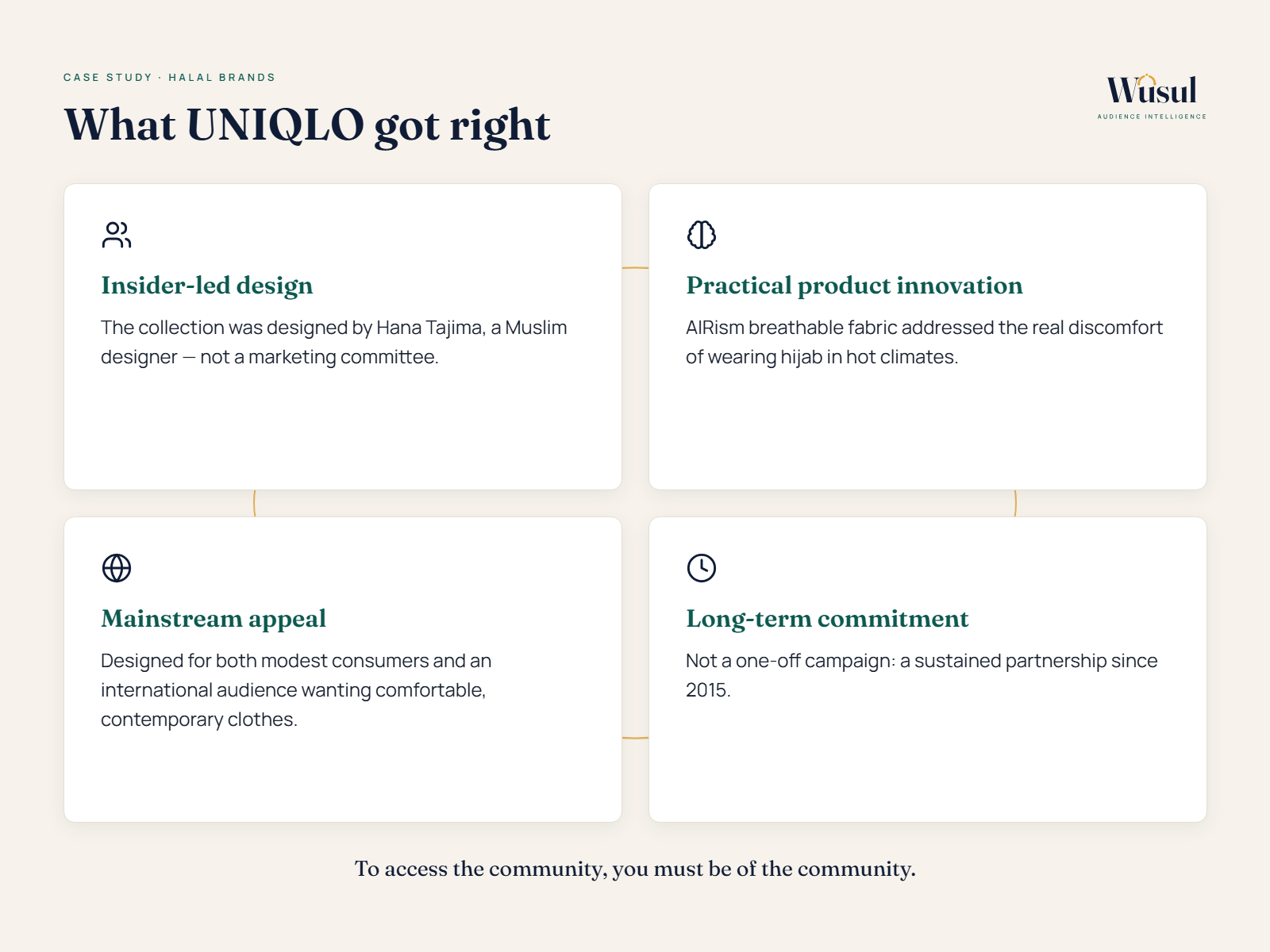
- Insider-led design: by Hana Tajima, a Muslim designer, designed the collection.
- Practical product innovation: AIRism fabric addresses the discomfort of wearing hijab in hot climates
- Mainstream appeal: The collection was designed for both modest consumers and international audiences.
- Long-term commitment: UNIQLO did not launch a one-off campaign; but rather built a sustained partnership.
What to learn from UNIQLO's LifeWear?
For Islamic charities
- Listen to the community: UNIQLO's commitment to listening to Indonesian customers for feedback is essential for building trust.
- Invest in insider-led creativity: The Hana Tajima collaboration shows that authenticity comes from working with the community, not at them.
- Solve real problems: The AIRism technology addressed a practical need; organizations should similarly focus on real friction points.
For halal brands
- Design for a full experience: The modest wear collection considers fabric, cut, and cultural expectations; not just basic compliance.
- Commit long-term: UNIQLO's collections are not a one-off; they are a sustained practice.
For cultural intelligence practitioners
- Insider-led authenticity is essential: Hana Tajima's collaboration demonstrates that you cannot outsource cultural understanding to a consultant; it must be embedded in the design process.
- Product matters as much as messaging: Many brands focus on "diverse casting" without changing the product. UNIQLO changed garments and technology.
- Market specificity builds trust: The exclusive collections for Indonesia and Malaysia demonstrated that UNIQLO understands that Muslim markets are not monolithic.
For organizations seeking to connect with Muslim audiences, UNIQLO's lesson is clear: To access the community, you must be of the community. Or, in Hana Tajima's words: "Crossing from one culture to another, one idea of beauty to another, to find what it is that connects us."
At Wusul, we believe that authentic engagement with Muslim audiences requires insider-led creativity, product innovation, and sustained commitment; not performative gestures. UNIQLO's modest wear collection demonstrates that when brands invest in cultural intelligence, they build trust that lasts.