Ramadan is the most crowded moment in the Islamic charitable calendar. Every year, the world's largest humanitarian organizations, Muslim-led charities, and local community groups compete for a share of donor attention during a month when giving is both spiritually elevated and socially expected. For a secular giant like Save the Children, this presents a specific challenge: how do you earn trust and attention in a space where religious legitimacy and community embeddedness are the primary currencies?
Save the Children's approach offers a case study in adaptation, one that reveals both the opportunities and the limits of competing in an economy where you are, structurally, an outsider.
The stakes: a sector under financial pressure
The context matters. Save the Children UK's 2025 annual report revealed a £43 million fall in income compared to the previous year, driven by cuts to foreign aid and a challenging fundraising environment. US aid cuts impacted income through reduced funding from multilateral institutions. The organization described "skyrocketing needs for children across the globe, including in places like Gaza, Sudan and Ukraine".
Against this backdrop, Ramadan is not a nice-to-have. It is a strategic necessity. The month offers access to a donor base that is motivated, generous, and actively seeking opportunities to give. For Save the Children, entering this space is about survival as much as mission.
The infrastructure: building Zakat-compliance
Unlike Muslim-led charities, Save the Children could not simply add a "Zakat" button to its donation page. It had to build the theological and legal infrastructure required to receive Zakat in a Shariah-compliant manner.
In March 2022, the organization announced a new fundraising policy that would enable it to receive Zakat, developed with pro bono legal advice from Norton Rose Fulbright and endorsed with a Fatwa by Shaykh Haytham Tamim, a leading Islamic scholar. The policy specifies that Zakat payments will be held in a dedicated Zakat Fund and distributed within one lunar year of giving.
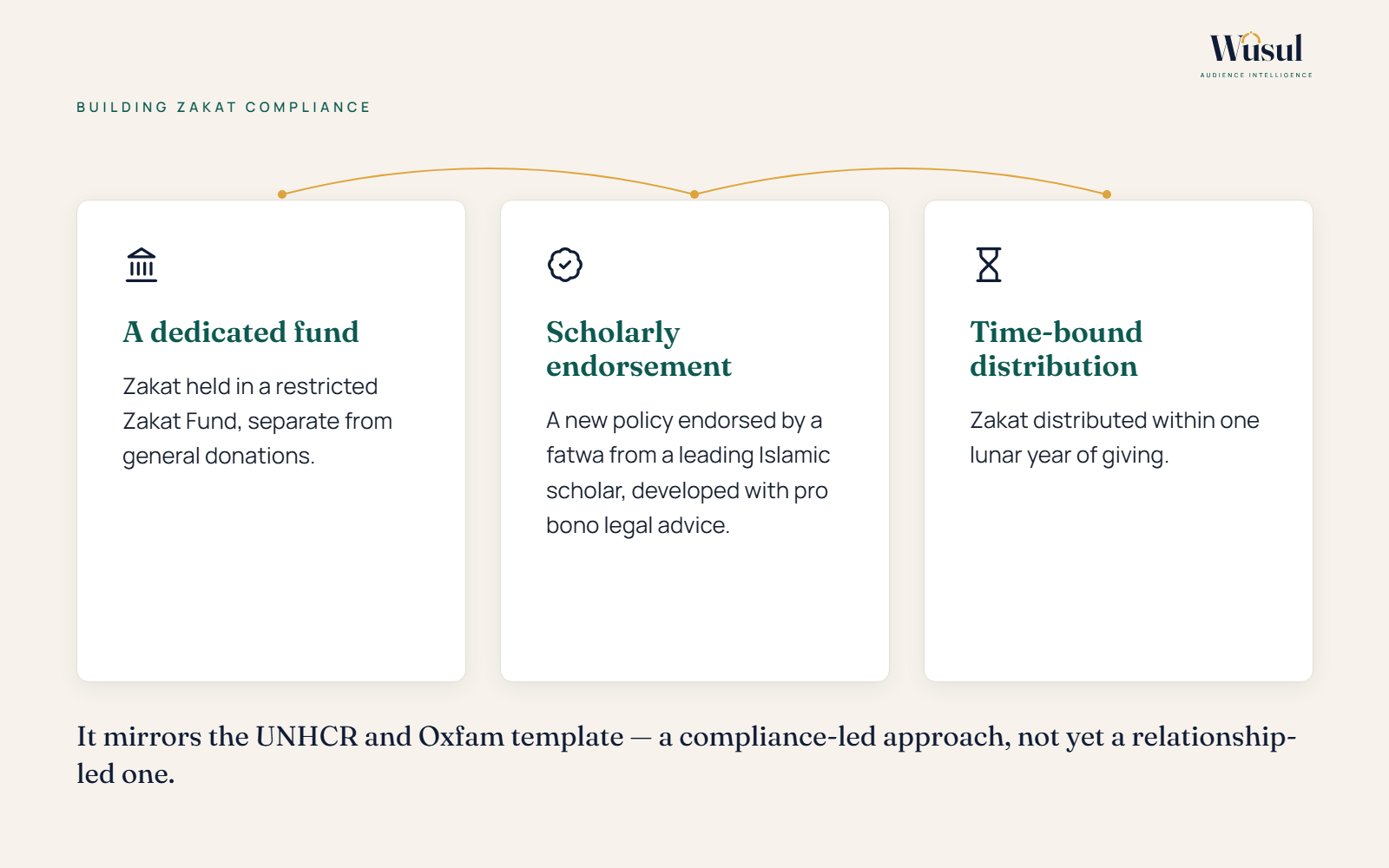
This is a significant investment. It mirrors the approach taken by UNHCR and Oxfam: restricted funds, scholarly endorsement, and time-bound distribution. The message to Muslim donors is clear: we have done the work to be compliant. You can trust us with your obligation.
The legal framing was explicit. Farmida Bi, then Global Chair of Norton Rose Fulbright, stated: "Giving alms is a religious requirement in Islam and this new policy opens up a source of funding that will allow Save the Children to help some of the most disadvantaged people in society".
The messaging: faith-informed, but not faith-led
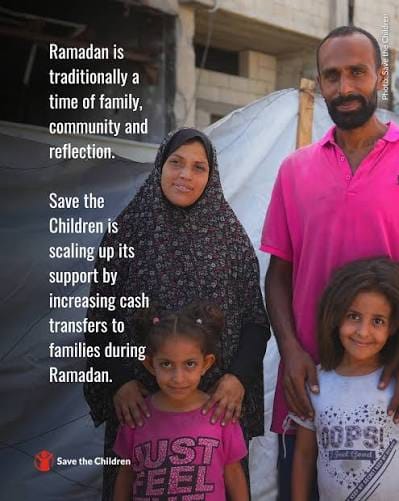
Save the Children's Ramadan communications reveal a careful calibration. The organization speaks about Zakat and Sadaqah, but it does not position itself as a religious authority. It frames giving as an expression of shared values, not as a theological obligation it is uniquely qualified to fulfill.
A 2022 blog post on Save the Children UK's website, written by a Muslim staff member, explained Ramadan and Zakat to a general audience. It described Zakat as requiring Muslims to donate at least 2.5% of their wealth, and noted that "many Muslims choose to donate their Zakat during Ramadan." It then stated: "All money donated to our Zakat Fund will go to children who need it most in predominantly Muslim countries."
This is a strategic choice. The organization is not trying to compete with Muslim charities on theological grounds. It is positioning itself as a channel for Zakat (a trusted implementer with global reach and operational capacity) rather than a source of religious authority.
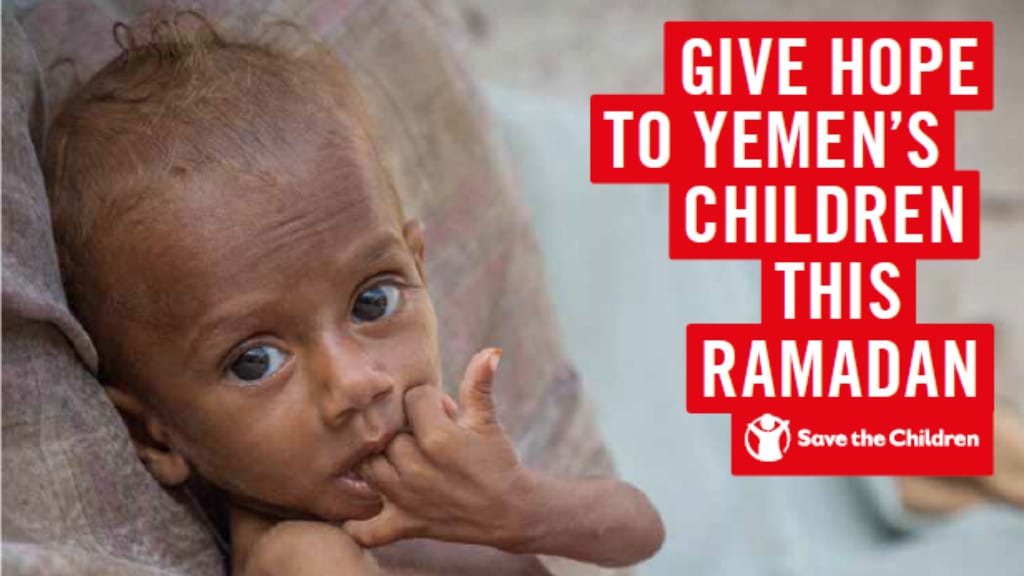
Save the Children Switzerland takes a similar approach, framing its appeal around Sadaqah rather than Zakat. The Swiss page emphasizes the humanitarian crisis, "wars and protracted armed conflicts are robbing an entire generation of a normal childhood", and invites donors to "give them hope this Ramadan". The language is emotional and universal, not explicitly religious.
Competitors: what Muslim-led charities have that Save the Children doesn't
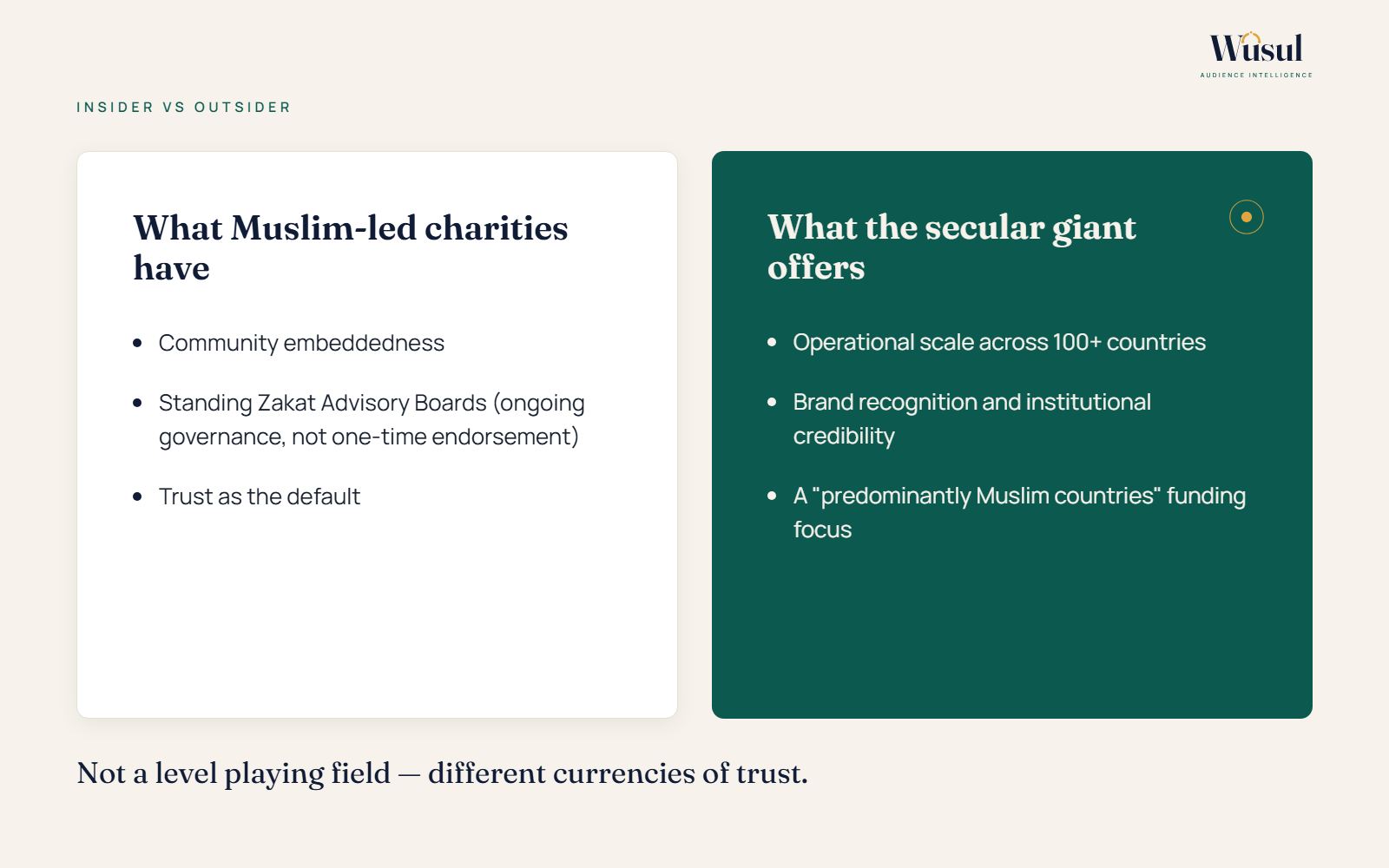
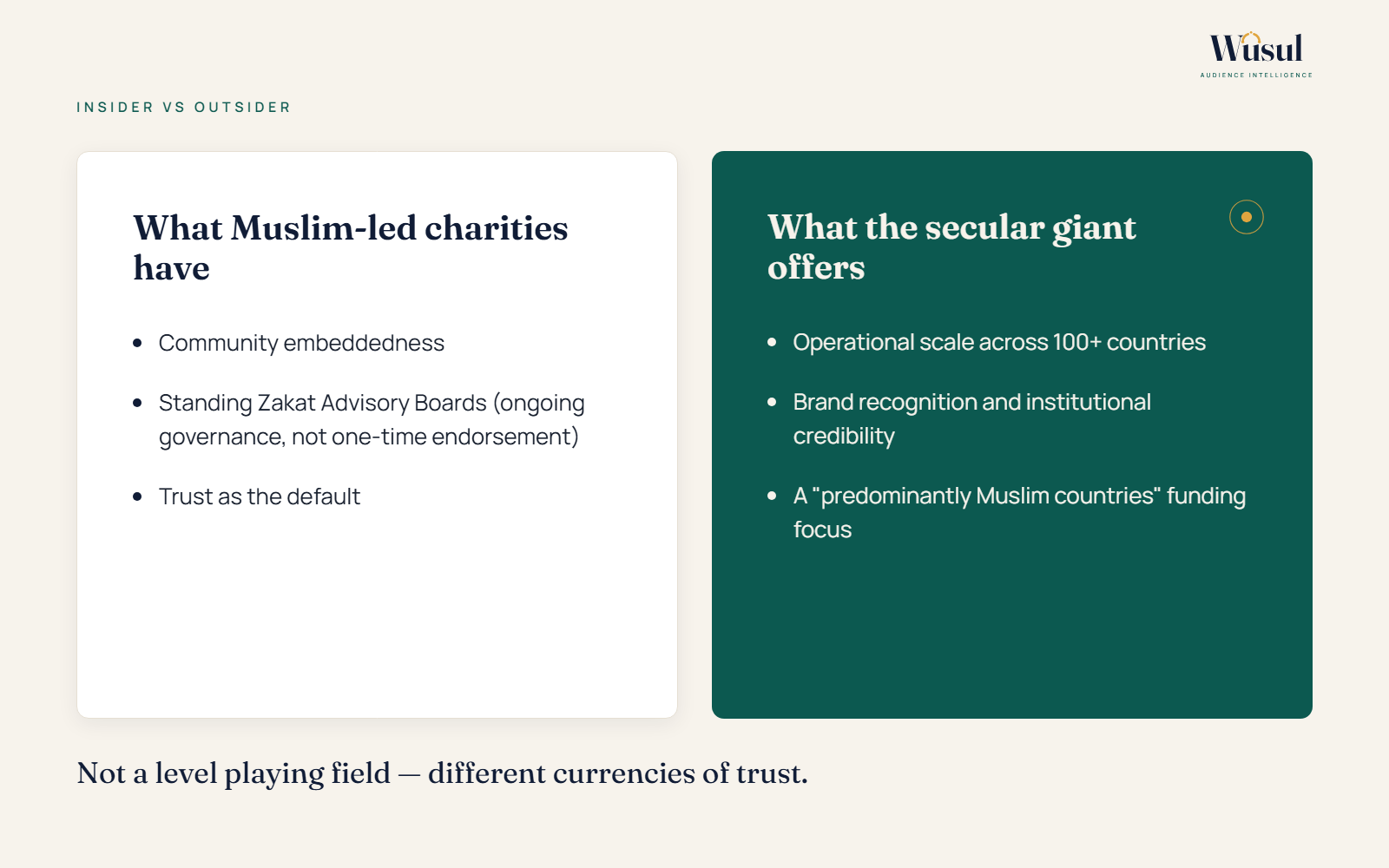
The attention economy of Ramadan is not a level playing field. Muslim-led charities possess advantages that secular organizations cannot easily replicate.
Community embeddedness. Islamic Relief, Human Appeal, and Penny Appeal are deeply rooted in the communities they serve. Their donors are not just giving to a cause; they are giving to an institution that reflects their identity. Save the Children, for all its global reach, is not of the community in the same way.
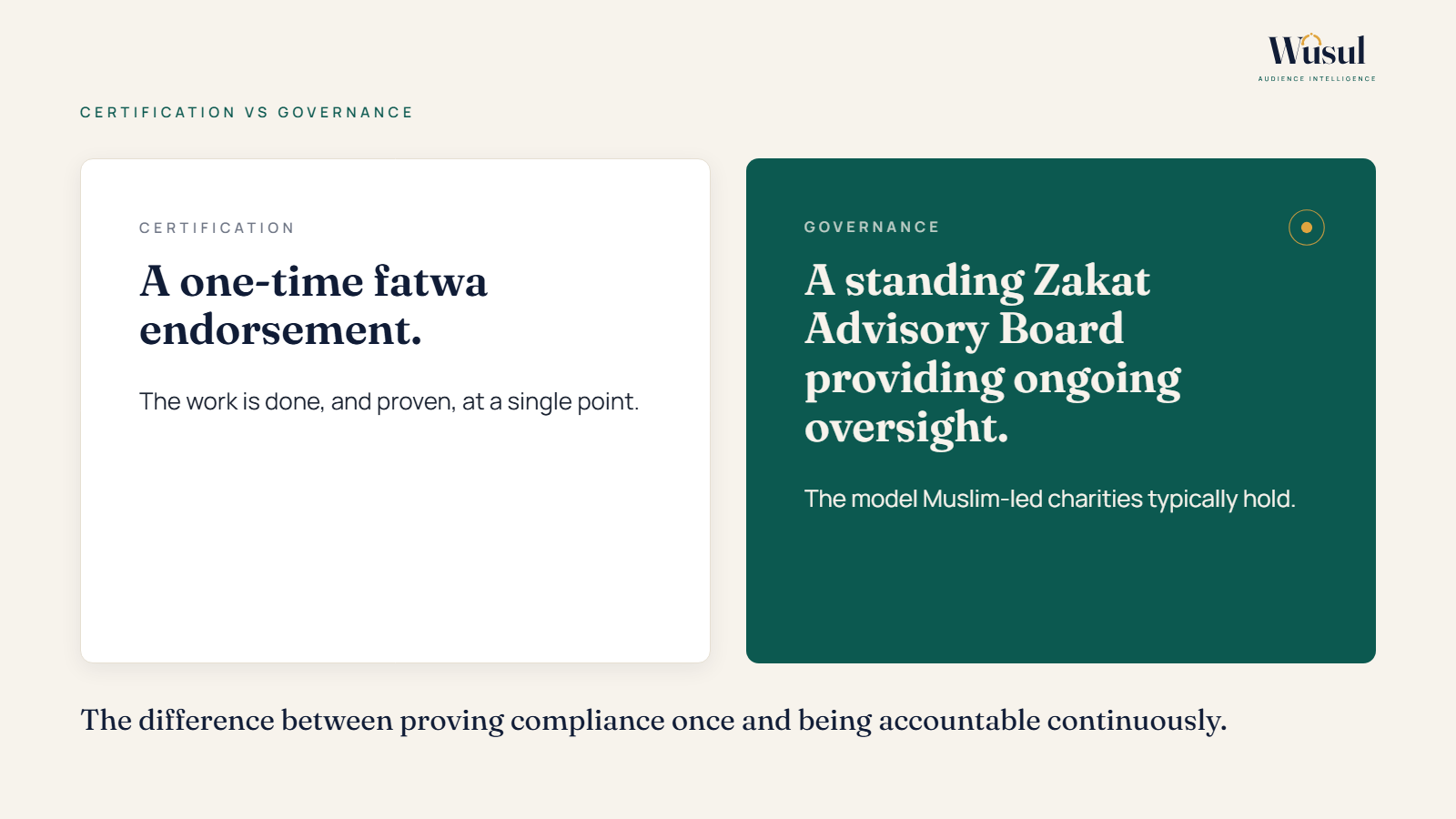
Scholarly infrastructure. While Save the Children has secured a Fatwa, Muslim-led charities typically have standing Zakat Advisory Boards with scholars who provide ongoing oversight, not just a one-time endorsement. The difference is between certification and governance.
Trust as a default. A Muslim donor approaching Islamic Relief does not need to ask whether the organization understands Zakat. They know it does. A donor approaching Save the Children must be convinced. The burden of proof is higher.
The opportunity: what Save the Children offers that others don't
Despite these disadvantages, Save the Children brings assets that Muslim-led charities cannot match.
Global operational scale. Save the Children operates in over 100 countries, with the infrastructure to deliver aid at scale in complex emergencies. When a donor gives Zakat to Save the Children, they are buying into a machinery of humanitarian response that few organizations can replicate.
Brand recognition and institutional trust. Save the Children is a household name. For donors who are skeptical of smaller charities or who want the assurance of a large, audited international organization, Save the Children offers a form of institutional credibility that is distinct from religious credibility.
The "predominantly Muslim countries" framing. By directing Zakat funds to children in predominantly Muslim countries, Save the Children aligns its humanitarian mission with the geographic priorities of Muslim donors. This is a form of cultural intelligence: understanding that Zakat is not just about who receives it, but where they are.
The critique
Save the Children's Ramadan strategy is competent, but it is not yet distinctive. It follows the template established by UNHCR and Oxfam: restricted fund, scholarly endorsement, time-bound distribution. It is a compliance-led approach, not a relationship-led one.
What is missing is a visible Muslim voice in leadership. The 2022 blog post was written by a Muslim staff member, but it is not clear whether Muslims are represented at the decision-making level in Save the Children's Zakat strategy. Insider-led cultural intelligence requires more than consulting a scholar at the end of the process. It requires Muslims in the room from the beginning.
What is missing is sustained engagement beyond Ramadan. Like many secular organizations, Save the Children's Muslim engagement appears to peak during Ramadan and recede afterwards. Building trust requires year-round presence, not just a seasonal appeal.
What is missing is a clear answer to the "why us?" question. A Muslim donor considering Save the Children over Islamic Relief needs a compelling reason. The current messaging emphasizes the humanitarian crisis and the organization's global reach, but it does not directly address the trust question: Why should I give my Zakat to you rather than to a Muslim-led charity that I know shares my values?
Conclusion
Save the Children's entry into the Ramadan season is a case study in adaptation. The organization has done the hard work of building Zakat compliance infrastructure. It has secured scholarly endorsement. It has framed its appeals in language that resonates with Muslim donors.
But it is competing on the margins of a space where Muslim-led charities hold the center. Its advantage is scale, brand, and operational capacity. Its disadvantage is that it is, and will always be, an outsider.
The question is not whether Save the Children can compete. It can, and it will. The question is whether it can build the kind of trust that transforms a seasonal donor into a lifelong partner. That requires more than compliance. It requires the kind of sustained, insider-led engagement that only comes from being of the community, not just for it.
At Wusul, we believe that cultural intelligence means understanding not just what an audience does, but why they do it, and being honest about what you can and cannot offer. Save the Children's Ramadan strategy is a case study in the possibilities and limits of competing in a space where you are not the native. The lesson is not that outsiders cannot succeed. It is that they must earn trust differently.
Frequently asked questions
Does Save the Children accept Zakat?
Yes. In March 2022, Save the Children UK announced a fundraising policy that enables it to receive Zakat, developed with pro bono legal advice from Norton Rose Fulbright and endorsed with a Fatwa by Shaykh Haytham Tamim. Zakat payments are held in a Zakat Fund and distributed within one lunar year of giving.
Where does Zakat given to Save the Children go?
According to Save the Children UK, all money donated to its Zakat Fund goes to children who need it most in predominantly Muslim countries.